
 Paid media
 Social media
 SEO
 AI automation
 Web design
 AI content
 Branding
 Lumia MKT Team
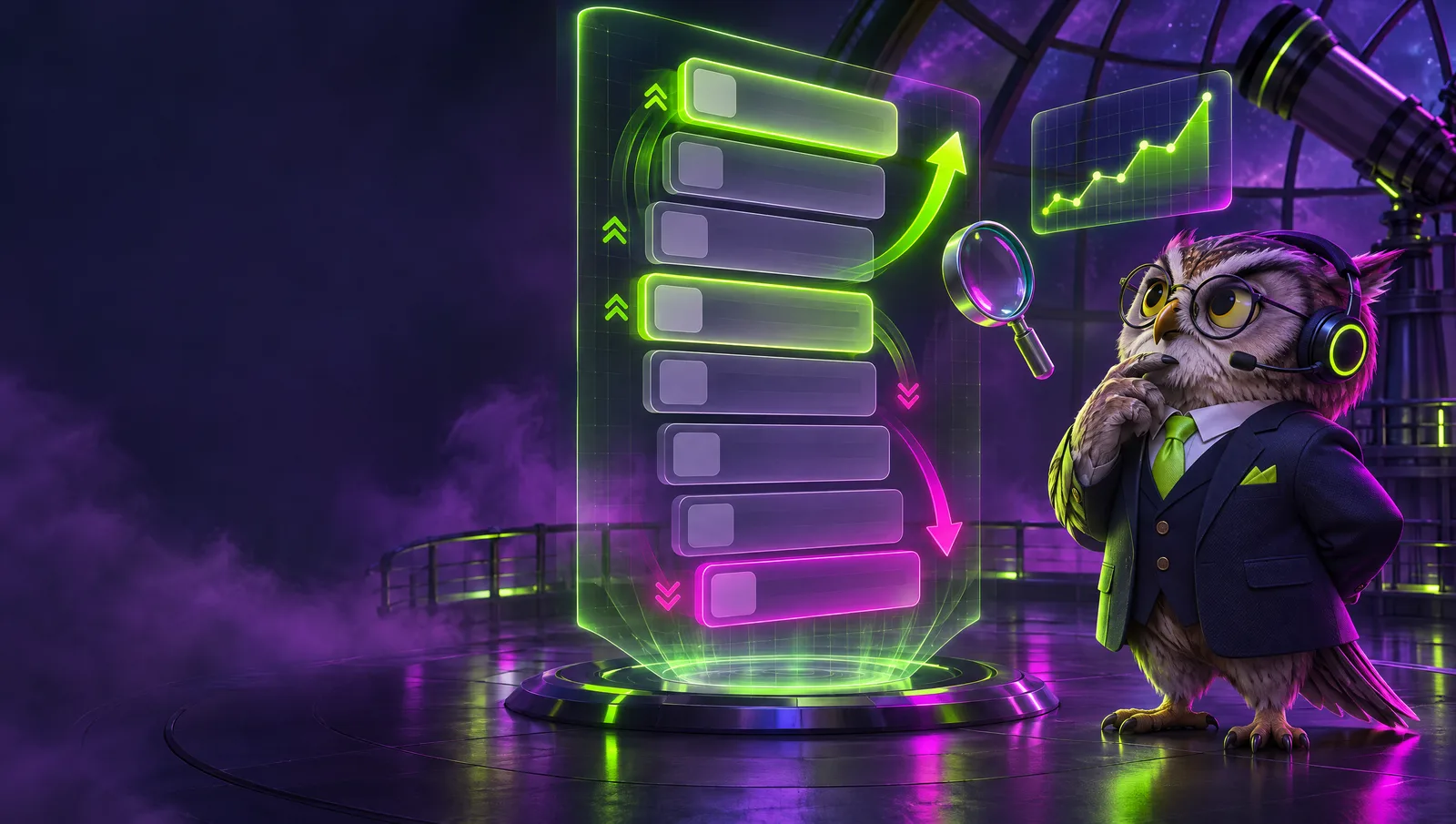
What happened: the November core update is complete
Google finished rolling out its November 2026 core update on Tuesday, November 24. It had started on November 10, so it took close to 14 days. According to the Google Search Status Dashboard, it applies globally and to all languages.
| Milestone | Date and time (US Eastern) |
|---|---|
| Start | November 10, 2026, about 1:07 p.m. |
| End | November 24, 2026, 9:03 a.m. |
SEO professionals reported strong movement around November 13 and 14. Those are industry observations, not a Google confirmation.
When to measure the impact in Search Console
Do not draw conclusions yet. Google recommends waiting at least a full week after the update completes and comparing that week with one before it started. Applied to these dates:
- Week after: November 25 to December 1.
- Baseline week: November 3 to 9.
- When to analyze: from December 2, keeping in mind that Search Console publishes data with some delay.
How to read a drop
Review web search, images, video and the news tab separately, and start with the pages and queries that changed the most.
| What you see | Google's example | What to do |
|---|---|---|
| Small drop | From position 2 to 4 | No drastic changes; leave what still performs well alone |
| Large drop | From position 4 to 29 | Assess the content in depth, starting with the most affected pages |
A drop does not always mean your page is bad: Google notes there may be other pages that now do a better job of helping the searcher.
What to ask about your content
Google offers a self-assessment. These questions sum up the most useful points, and someone outside your company should answer them too:
- Does it add original information, experience or analysis, or repeat what others say?
- Does it cover the topic well enough that the reader does not need to search again?
- Does the title describe what is inside without exaggerating?
- Is it clear who wrote it, where the data comes from and why it can be trusted?
- Does it contain easily checked errors, sloppiness or outdated facts?
- Does it exist to help your customer, or mainly to attract visits?
- Does the page load well and work smoothly on a phone?
Changing only the date to make an article look new is one of the warning signs Google mentions.
What not to do and how long recovery takes
- Avoid quick fixes, such as removing page elements because someone said they hurt SEO.
- Deleting content is a last resort, only when it cannot be improved.
- Do not rewrite the whole site in the same week: you will lose the ability to tell what worked.
Some improvements can show in days, but Google says it can take several months for its systems to confirm the change. If you see no effect, you may need to wait for the next core update, although it also runs smaller updates it does not announce.
To understand how search is changing with artificial intelligence, read our look at ads in Google AI Mode.
Frequently asked questions
What is a Google core update? It is a broad change to Google's ranking systems that happens several times a year. It does not target a specific site: it reassesses which content best answers each search.
When did the November 2026 core update finish? On November 24, 2026. It had started on November 10, according to the Google Search Status Dashboard.
My site dropped. Is it a penalty? Not necessarily. A core update is not a manual action: other pages may now answer the search better. Check Search Console after a full week has passed.
Can I recover my rankings? It is possible. Improve your content with people in mind; some changes show in days, but recovery can take several months or arrive with a later update.
Do you know where your website landed after the change?
In a free 30-minute strategy session we go through your Search Console data with you and decide what to fix first. Shall we shine a light on your rankings?
Sources: Google Search Status Dashboard · Google's core update guide · Helpful content guide · Search Engine Journal · Search Engine Roundtable. Information as of November 25, 2026.